
Most plant products - fresh produce, seeds, grain, cut flowers, and often the plant-based packaging around them - need one to enter their destination market. It is issued by the exporting country's plant health authority against an inspection, so it has to be arranged around the collection rather than requested once the cargo is already moving.
Agricultural Equipment Transport Services
- Home
- Agriculture
Reliable Freight & Logistics for the Agriculture Sector
Spares Desk Logistics provides specialized freight and logistics solutions designed to meet the unique demands of the agriculture industry. We ensure timely and safe delivery of agricultural products, machinery, and supplies — helping farmers, distributors, and agribusinesses maintain smooth operations and meet market demands.
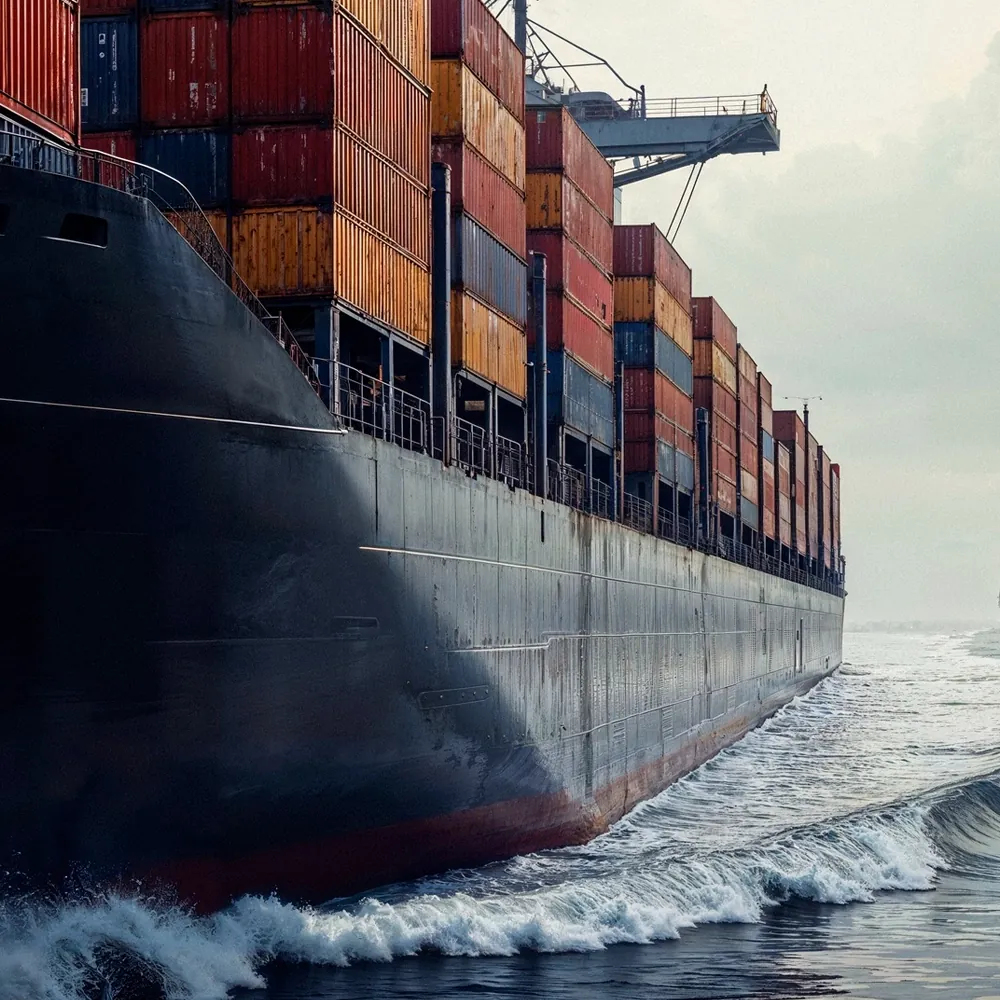
Temperature-controlled transport, bulk cargo handling, and customs expertise tailored for agricultural shipments.
What Agricultural Cargo Demands
Agricultural freight splits into two problems that rarely share a solution. Perishables need speed and temperature control; machinery and bulk inputs need capacity and the right handling equipment at both ends. We treat them separately — reefer air or sea for produce with a shelf life, flat-rack or breakbulk for equipment — and arrange the phytosanitary certification produce needs to clear at destination.
Key Features of Our Agriculture Logistics
Perishable Cargo Handling
Temperature-controlled transport maintains freshness and quality for fruits, vegetables, seeds, and fertilizers.
On-Time Delivery
Dedicated scheduling and routing efficiency to ensure shipments arrive on time, every time — without costly delays.
Multi-Modal Coordination
Seamless air, sea, and land freight coordination optimizes cost and delivery speed for agricultural shipments.
Bulk & Oversized Transport
Efficient handling and shipping of agricultural machinery, equipment, and large-volume cargo.
End-to-End Support
Our team delivers end-to-end support from origin to final destination — ensuring reliable operations at every stage.
Customer Satisfaction
We pride ourselves on reliability and client trust, delivering consistent service that supports your global supply chain.
Certification Decides Whether Produce Clears
For agricultural cargo the binding constraint is usually documentary rather than physical. A consignment can be at the right temperature, on time and undamaged and still be refused entry because a phytosanitary certificate is missing, names the wrong commodity, or was issued outside the window the destination accepts.
The packaging is regulated as well as the goods. Solid wood pallets, crates and dunnage fall under ISPM 15 and must be treated and marked, and this catches shipments that have nothing to do with agriculture simply because of the pallet they were loaded on. It is an avoidable and expensive way to lose a week.
Machinery and inputs travel on a different logic from produce. There is no shelf life to race, but there is size, weight and often a fixed installation date, which pushes the cargo towards flat-rack or breakbulk and towards planning the lift and the receiving end before the equipment is collected.
Matching agricultural cargo to a route
| Cargo | Usual mode | Documentation that governs it |
|---|---|---|
| Fresh produce, cut flowers | Reefer air or reefer sea | Phytosanitary certificate, origin, temperature record |
| Seeds and grain | Container, often reefer or ventilated | Phytosanitary certificate, fumigation record where required |
| Fertiliser and agrochemicals | Container, frequently as dangerous goods | Classification, safety data sheet, import permit |
| Tractors and machinery | Flat rack, breakbulk or RoRo | Cleaning certificate for soil contamination, lift plan |
| Any cargo on wood pallets | Any | ISPM 15 treatment stamp on the wood itself |
Agriculture Logistics FAQs
When is a phytosanitary certificate needed?
What is ISPM 15 and does it apply to my pallets?
ISPM 15 is the international standard for solid wood packaging: pallets, crates and dunnage must be heat-treated or fumigated and stamped accordingly. It applies to the packaging, not the goods, which is why non-agricultural shipments get stopped by it too. Untreated wood is one of the most common reasons a consignment is refused entry or ordered to be re-packed at destination.
Is a reefer container enough for fresh produce?
A reefer holds a set temperature, which is enough for many products. Others need controlled atmosphere - managing oxygen and carbon dioxide levels to slow ripening on a long sea leg. Which one you need depends on the commodity and the transit time, and it is cheaper to decide before loading than to discover the difference on arrival.
Can you handle seasonal peaks?
Harvest and planting windows concentrate demand into short periods when reefer equipment and vessel space are hardest to secure. Booking against a forecast rather than a confirmed order is what keeps the equipment available; waiting for the order to be firm usually means competing for the last slots at the worst rates.