
Yes, and it is worth agreeing the threshold before the goods move rather than after. Most large retailers refuse stock that arrives with less than a set proportion of its shelf life remaining, and that clock includes transit and any customs hold. Where the margin is tight, the mode decision is driven by the expiry date rather than by freight cost.
FMCG Supply Chain Logistics
- Home
- FMCG
Fast-Moving Consumer Goods (FMCG) Freight Solutions
Spares Desk Logistics specializes in tailored freight and logistics solutions for the FMCG sector. Understanding the fast-paced nature and strict timelines of consumer goods distribution, we ensure your products reach the market quickly, safely, and cost-effectively — every time.
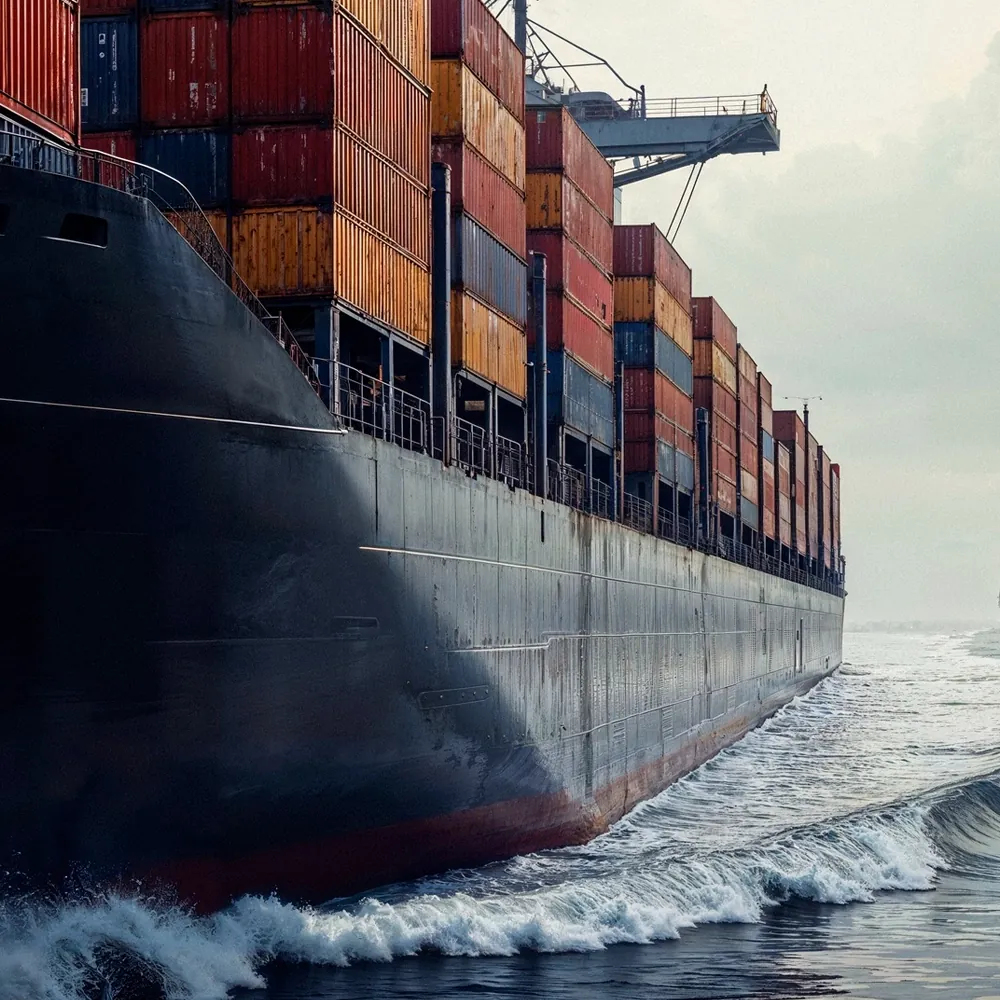
Time-sensitive, temperature-controlled, and multi-modal FMCG logistics built for speed and reliability.
What FMCG Cargo Demands
Consumer goods move against shelf dates and promotional windows, which makes a late delivery nearly as costly as a lost one. Volumes are high and margin per unit is thin, so routing has to be inexpensive without being slow. We consolidate across suppliers to bring the per-unit cost down, hold stock close to the destination where a launch date is fixed, and apply temperature control to anything that degrades in transit.
Key Features of Our FMCG Logistics
Time-Sensitive Delivery
Fast and reliable transportation to meet tight FMCG deadlines and seasonal demand surges.
On-Time Delivery
Dedicated scheduling and routing efficiency to ensure shipments arrive on time, every time — without costly delays.
Temperature-Controlled Logistics
Specialized handling for perishable and sensitive FMCG products to maintain quality and freshness.
Inventory & Warehousing
Strategic warehousing and inventory management to support just-in-time delivery and reduce supply chain bottlenecks.
End-to-End Support
Our team delivers end-to-end support from origin to final destination — ensuring reliable operations at every stage.
Customer Satisfaction
We pride ourselves on reliability and client trust, delivering consistent service that supports your global supply chain.
What FMCG Freight Has to Get Right
Fast-moving consumer goods run on volume and on dates. A pallet that arrives late has not simply arrived late - it may have missed the promotion it was bought for, breached a booked delivery window, or lost enough remaining shelf life to be turned away at the door. The plan is built backwards from the delivery slot, not forwards from collection.
Retailers buy on compliance as much as on price. Most set a minimum remaining shelf life on receipt, require batch and lot identification that survives consolidation, and measure suppliers on delivery in full and on time. A consignment can be refused on labelling alone, for reasons that have nothing to do with the goods inside.
Volume also buys options that urgent freight does not have. Where the date allows, consolidating into full containers is materially cheaper per unit than moving the same goods loose, and it reduces the number of handling events - which for light consumer packaging is usually where damage originates.
Choosing a mode for consumer goods
| Mode | Suits | Trade-off |
|---|---|---|
| Full container (FCL) | Predictable, high-volume replenishment | Lowest unit cost and least handling, but you need the volume to fill it |
| Groupage (LCL) | Smaller runs, new lines, market tests | Cheaper than air, but more handling and time lost to consolidation |
| Air freight | Launches, promotions, recovery from a stock-out | Fast and date-certain; rarely justifiable for routine volume |
| Temperature-controlled | Chilled goods, chocolate, cosmetics | Protects the product, but the cover has to be unbroken across every leg |
FMCG Logistics FAQs
Do you handle minimum remaining shelf life requirements?
Can you keep batch and lot identification intact?
Batch and lot marking has to stay legible and correctly associated with each pallet through consolidation, deconsolidation and any repacking. We keep the marking visible on the outer packaging and reflect it on the packing list, so a recall or a retailer query can be answered from the shipping documents without opening the cartons.
Is consolidating shipments actually cheaper?
For predictable replenishment, usually yes. Filling a container costs less per unit than moving the same goods as loose groupage cargo, and it cuts the number of times a pallet is handled - which for fragile consumer packaging is often where damage happens rather than in transit itself. The saving disappears if you have to hold stock for weeks to fill the box.
What temperature protection is available for consumer goods?
Chilled and controlled-ambient cover for products such as chocolate, cosmetics and some beverages, either as a reefer container or as temperature-controlled air. The point to watch is continuity: cover that lapses during a port stay or on the tarmac is not cover, so the plan has to name who is responsible at each handover.