
The GCC land network reaches Saudi Arabia, Oman, Kuwait, Bahrain and Qatar, with onward road connections beyond. Whether road is the right choice depends less on distance than on the border crossings involved, since it is usually the paperwork at a frontier and not the driving that determines the transit.
Road Freight Logistics in GCC
- Home
- Road Freight
Road Freight and Cross-Border Trucking Across the GCC
Road freight is the foundation of regional logistics, connecting businesses across the UAE and the wider GCC with speed, reliability, and cost efficiency. Whether it's a full truckload from UAE to Riyadh or a time-sensitive LTL shipment to Muscat or Kuwait City, Spares Desk delivers. Our modern fleet, experienced drivers, and smart route planning ensure your cargo reaches its destination safely, on schedule, and in full compliance with local regulations.
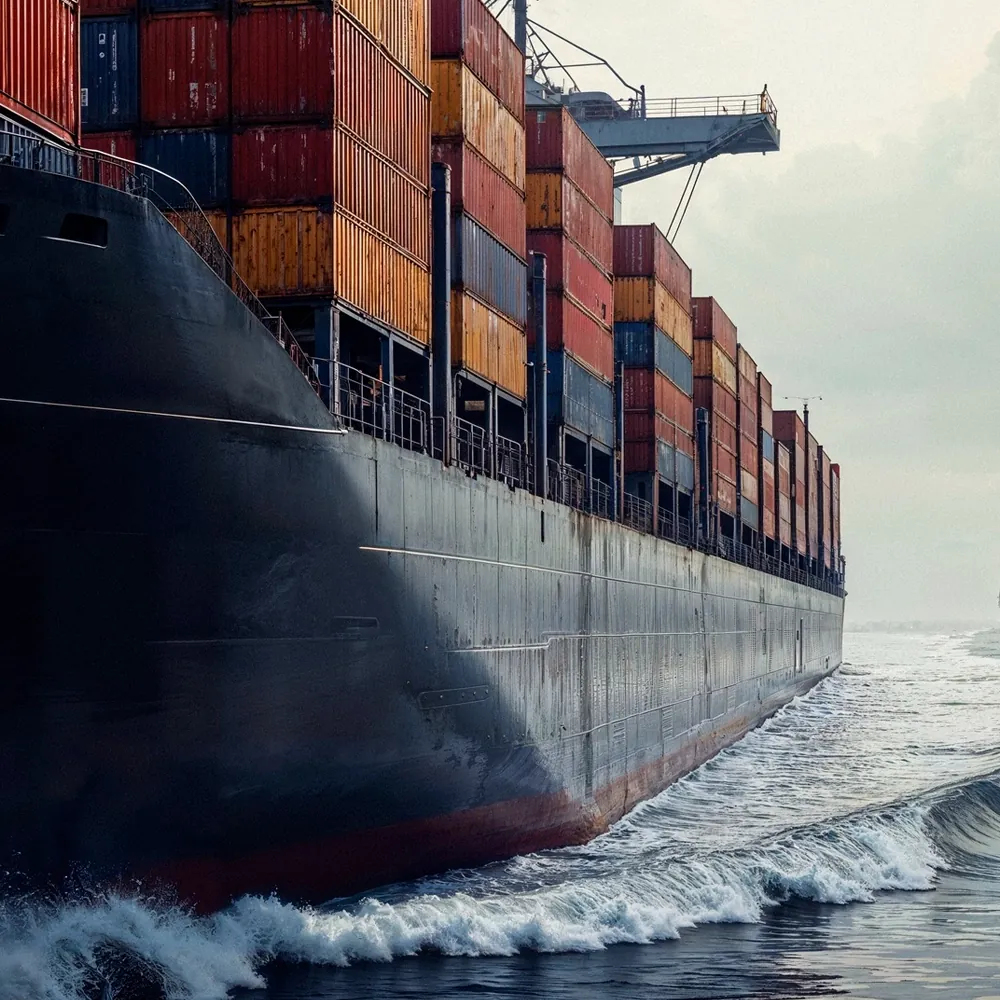
Trusted road freight solutions covering all GCC countries — UAE, Saudi Arabia, Oman, Kuwait, Bahrain, and Qatar.
Cross-Border Trucking Across the GCC
Road freight into Saudi Arabia, Oman, Kuwait, Bahrain and Qatar skips airport and port handling entirely, which for regional moves is usually both faster and cheaper than flying. The variable is the border, not the road. Manifests and customs paperwork are prepared before departure, because a truck held at a crossing costs more than the freight itself. FTL suits full or urgent loads, LTL shares the deck, and reefer or dangerous goods move under the correct permits.
Key Features of Our GCC Road Freight Service
Full GCC Coverage
Serving all six GCC nations — UAE, KSA, Oman, Kuwait, Bahrain, and Qatar — with reliable door-to-door ground transport.
On-Time Delivery
GPS-tracked vehicles and optimized route planning guarantee on-time arrivals even for cross-border and urgent deliveries.
FTL & LTL Options
Whether you have a full truckload or a smaller shared shipment, we provide flexible and cost-effective load options.
Hazardous & Reefer Cargo
ADR-certified dangerous goods transport and refrigerated/temperature-controlled vehicles for sensitive freight.
End-to-End Support
We handle border documentation, customs clearance, container drayage from ports, and last-mile delivery under one roof.
Customer Satisfaction
We pride ourselves on reliability and client trust, delivering consistent service that supports your global supply chain.
Where Road Beats Air and Sea
Across the GCC, road occupies a useful middle ground. It is materially cheaper than air for anything heavy, and considerably faster than sea for a regional movement where the sea leg would involve two port calls and the handling at either end. For cargo moving between the Gulf states, it is frequently the mode that would have been chosen first if anyone had compared them properly.
The variable that decides a road transit is the border, not the distance. Documentation, customs processing and queueing at a crossing routinely account for more of the elapsed time than the driving does, which is why a realistic road plan is built around the frontier rather than the kilometres.
Road also carries cargo that the other modes make awkward. Dangerous goods that would face restrictions by air, oversized pieces that would need special equipment at a port, and temperature-controlled loads that would otherwise need reefer containers can all travel by truck on a single trailer with one handling event at each end.
Road freight options across the GCC
| Option | How it works | Best for |
|---|---|---|
| Full truck load (FTL) | Dedicated vehicle, direct routing | Urgent, high-value or fragile cargo; single handling |
| Part load (LTL) | Shared vehicle, consolidated | Smaller consignments where cost matters more than speed |
| Temperature-controlled | Reefer trailer, set point maintained | Chilled and frozen goods, subject to border dwell |
| Flatbed and low bed | Open trailer, sometimes with permits | Machinery and oversized pieces |
| Dangerous goods | Approved operator, placarded, documented | Classified cargo restricted or costly by air |
GCC Road Freight FAQs
Which countries are covered by road from the UAE?
What is the difference between FTL and LTL?
A full truck load is dedicated to your cargo and runs direct, so it is faster and handled once. A part load shares the vehicle with other consignments, which is cheaper but involves consolidation and additional handling, and the schedule follows the route rather than your cargo alone.
Can you move dangerous goods by road?
Yes, with correct classification, packaging, placarding and documentation, and using operators approved for the class involved. The classification is the part to get right early - it decides which operators can carry the load and which crossings it can use, and both can change the transit significantly.
Is temperature-controlled road transport available?
Reefer trailers are available for chilled and frozen cargo across the same network. The point to confirm is continuity at the borders, where a trailer can stand for some time - the cargo needs to be within its tolerance for the whole crossing, not just for the driving.