
Whenever the journey is longer or rougher than the original packaging was designed for. Supplier packaging is usually built for a domestic trip on a pallet; it is not built for repeated handling, a humid container crossing or an offshore lift. Repacking costs a fraction of what a damaged part costs in delay.
Export Packaging & Repacking Services
- Home
- Export Packaging Services for Marine Spares
Export Packaging and Repacking That Protects Every Shipment
At Spares Desk Logistics, we understand that safe and secure packaging is a crucial part of the logistics process. Our expert packaging service ensures your goods are carefully packed to withstand handling, transit, and storage conditions — minimizing the risk of damage and ensuring your shipment arrives in perfect condition.
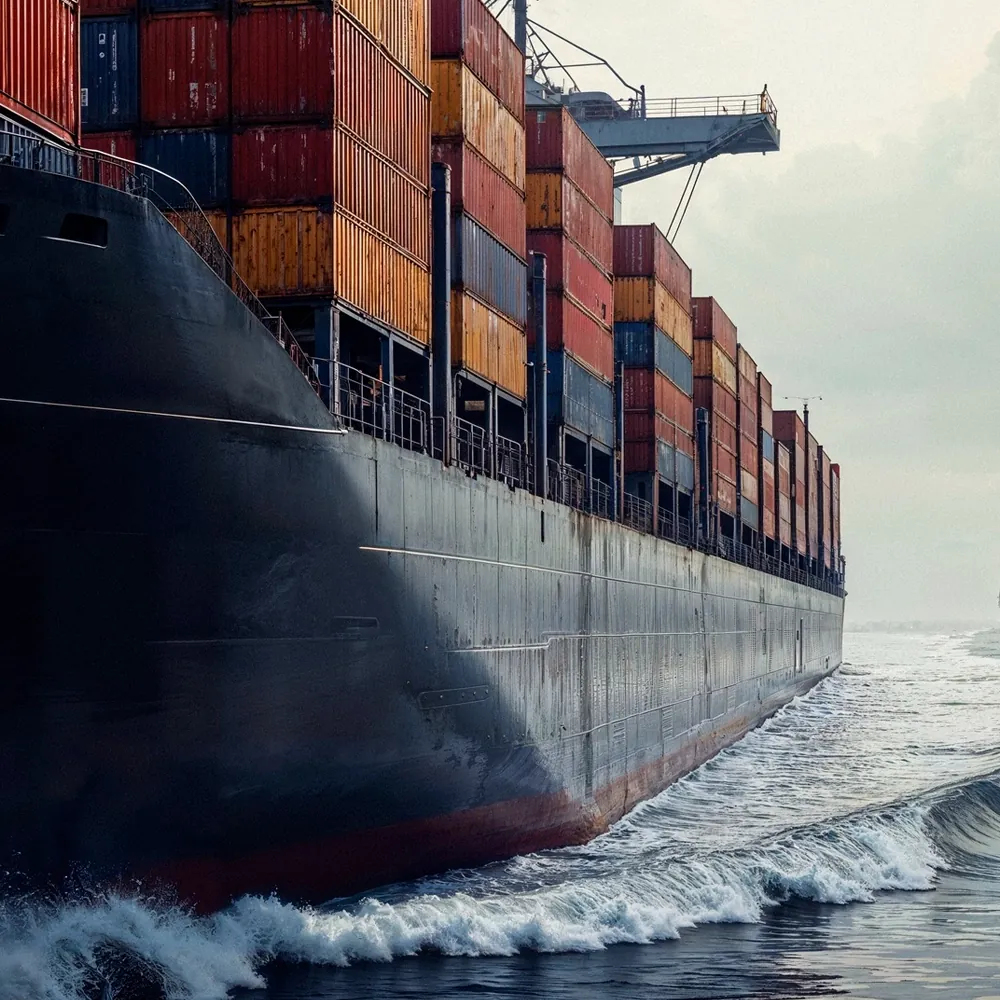
Custom packaging solutions using industry-grade materials, tailored to the size, weight, and fragility of your products.
Packing to the Standard the Carrier Will Accept
Cargo is rejected at acceptance more often for packing than for paperwork. Carriers apply their own standards and destinations apply theirs — ISPM 15 heat treatment for timber, UN specification for dangerous goods, moisture barriers for anything going by sea. We pack to whichever applies, crate what needs crating, and repack goods that arrived from a supplier in condition that will not survive the onward journey. Weight and dimensions are recorded after packing, since that is what the carrier bills against.
Key Features of Our Export Packaging Service
Export-Grade Crating
Timber crates built and stamped to ISPM 15, so a shipment is not quarantined at destination for untreated wood.
Moisture and Corrosion Control
Vacuum barrier bags and desiccant for cargo travelling by sea, where humidity does more damage over a long transit than handling does.
Dangerous Goods Packing
UN-specification packaging, correct marking and the signed declaration the carrier will ask for at acceptance.
Shock and Tilt Protection
Foam, bracing and indicators on precision components, so any mishandling in transit is visible on arrival rather than discovered in use.
Repacking on Arrival
Cargo that reaches us in poor condition from a supplier is repacked before it continues, rather than forwarded exactly as received.
Weighed After Packing
Final weight and dimensions are recorded once the item is packed, because that is the figure the carrier bills against.
Packing for the Journey the Goods Will Actually Take
Most transit damage is not caused by an accident. It is caused by packaging that was adequate for the trip the supplier had in mind and inadequate for the one the goods ended up making - more handling events, a longer crossing, a humid container, a lift the case was never designed for.
Export packing is therefore specified against the route rather than the item. The same pump going by road within the region and by sea across two transhipments needs different protection, and the second version costs more for reasons that become obvious the first time a case is dropped by a forklift.
Packaging is also regulated in its own right. Solid wood pallets and crates fall under ISPM 15 and must be treated and marked, which stops shipments at borders for a reason entirely unconnected to their contents. Getting the wood right is as much a compliance question as a protective one.
Matching protection to the journey
| Journey | Main risk | Typical specification |
|---|---|---|
| Regional road | Handling and vibration | Strapped pallet, edge protection, stretch wrap |
| Air freight | Handling, weight-sensitive pricing | Light but rigid cases; volumetric weight kept down |
| Container sea freight | Condensation, long dwell, stacking | Barrier bag with desiccant, ISPM 15 timber, corrosion inhibitors |
| Breakbulk or offshore | Lifting loads, exposure on deck | Purpose-built case with certified lifting points and weatherproofing |
| Onward storage | Time, not transit | Sealed protection intended to be left unopened |
Export Packaging FAQs
When is export packaging necessary rather than optional?
What is ISPM 15 and does it apply to me?
It is the international standard for solid wood packaging. Pallets, crates and dunnage made from solid wood must be heat-treated or fumigated and marked accordingly, or they can be refused at the border regardless of what is inside. It applies to the wood, not the goods, so it catches shipments with no connection to agriculture at all.
Can you build cases for unusual items?
Cases are built to the item rather than the item forced into a stock size, which matters for machinery, long shafts and anything with an awkward centre of gravity. Where a piece needs to be lifted in its case, the lifting points are built in and marked rather than left for whoever handles it to guess at.
Do you handle moisture and corrosion protection?
Sea containers go through significant temperature and humidity swings, and condensation inside a container is a normal occurrence rather than a fault. Barrier bagging, desiccant and vapour corrosion inhibitors are chosen against the transit time and the route, since a long tropical crossing is a different problem from a short regional one.